



Genre
What is Folk-Hop?
Folk-Hop is an organic branch of lo-fi hip-hop that emerged in the late 2010s, shaped by folk instruments, acoustic texture, and a more grounded emotional world.
Where much of lo-fi leans on jazz loops, electronic texture, or urban/hip-hop atmosphere, Folk-Hop moves toward acoustic guitar, harmonica, ukulele, soft melodic phrasing, and the living feel of human-made recordings.
The term helps name an emerging style with its own sound, visual language, and long-term artistic identity.
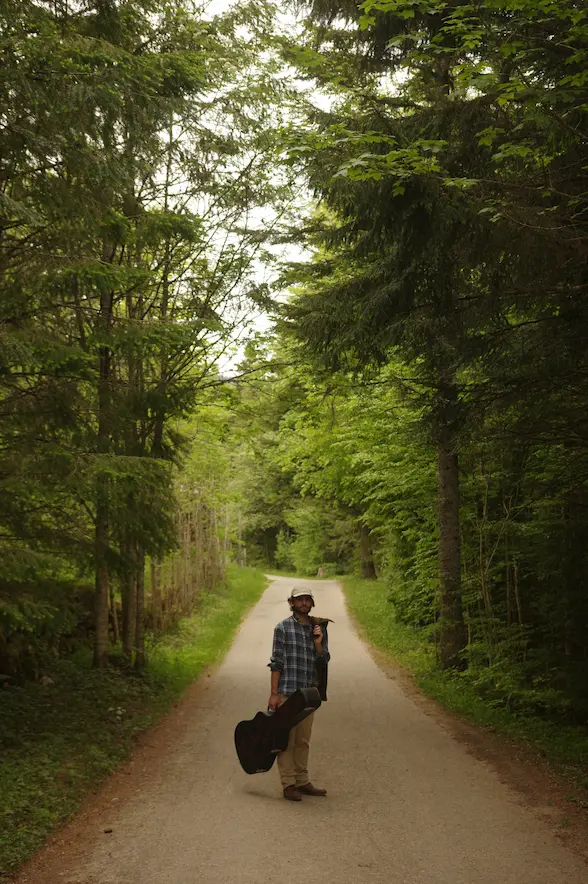
Folk-Hop at a Glance
The Sound
- Folk-rooted instrumentation 🪕 : Folk-Hop is built on live folk instrumentation, from guitar, ukulele, harmonica, and flute to banjo, piano, strings, organic drums, and other human-played instruments
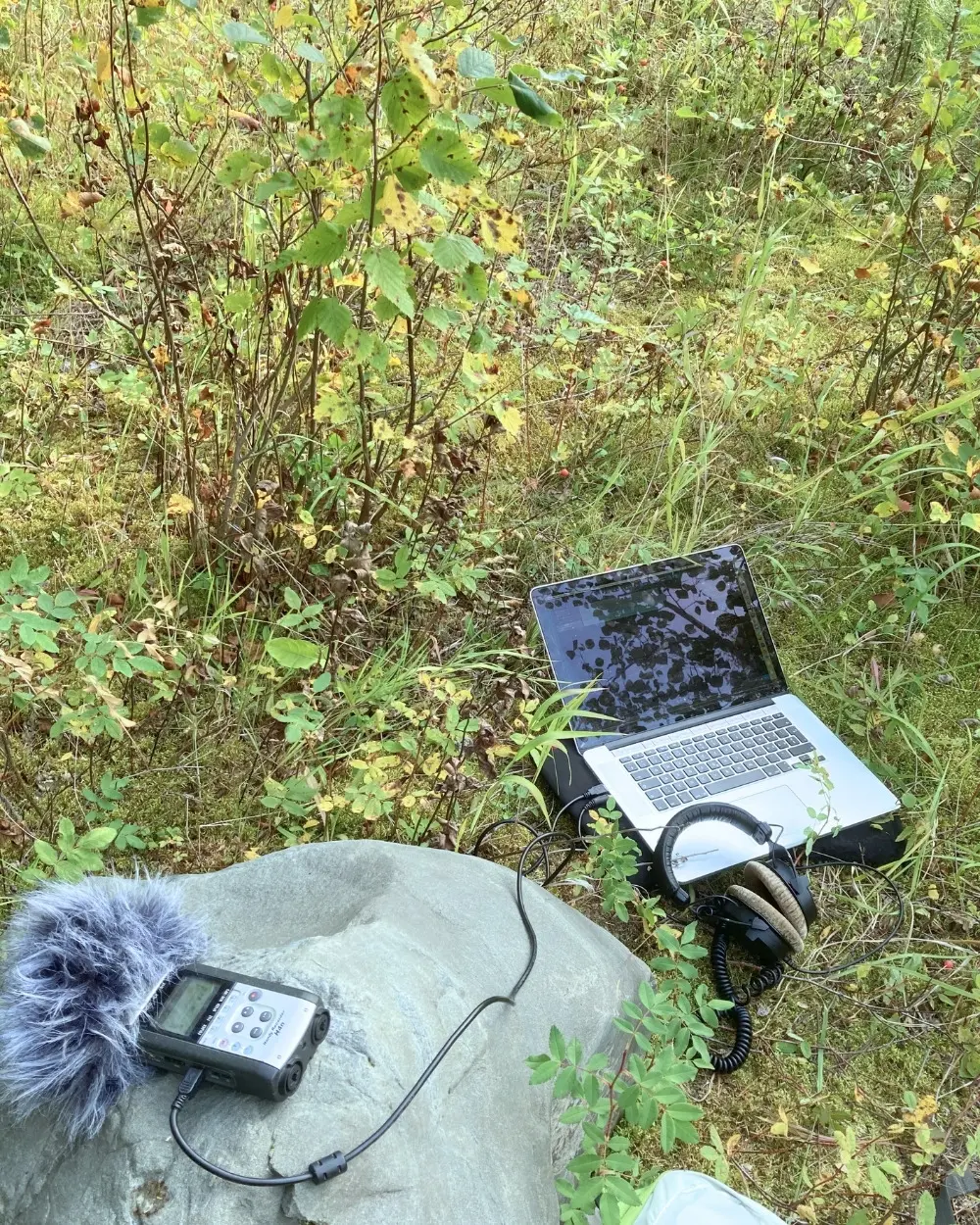
- Nature-inspired ambience 🌿 : birds, outdoor sounds, and earthy sonic details
- Voice as texture 🎵: humming, wordless vocals, lyrics, and nostalgic spoken moments can all appear in Folk-Hop, sometimes clear, sometimes blurred into the atmosphere of the music
The Visual World
- Objects & details 🌻 : sunflowers, wood, fabric, sunlight, earthy tones, and handmade visual details
- Nature & places 🏔️ : cabins, trails, rivers, mountains, fields, and quiet outdoor life
- Symbolism 🪴 : seasonal change, roots, home, memory, and meaningful symbols drawn from folk culture and nature
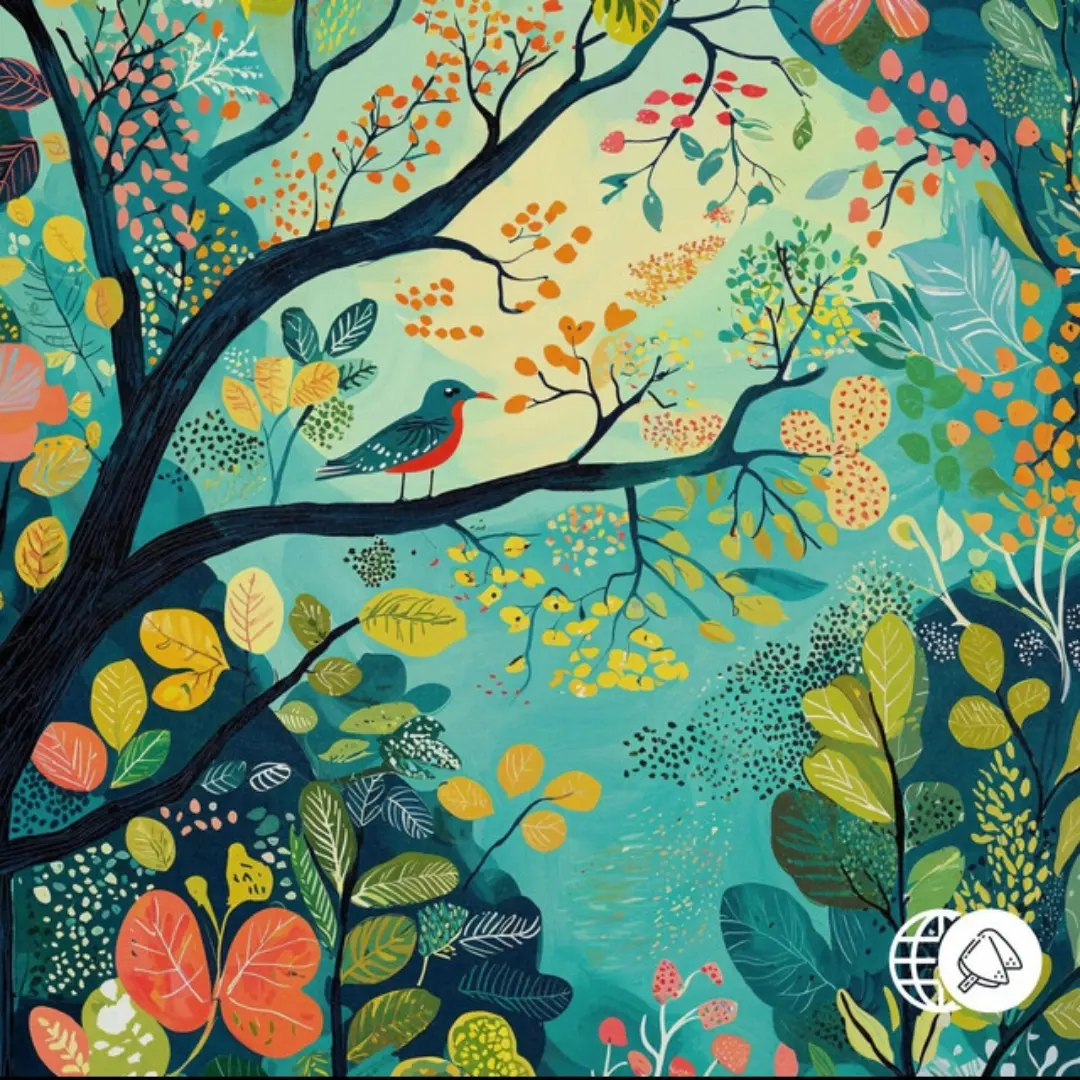
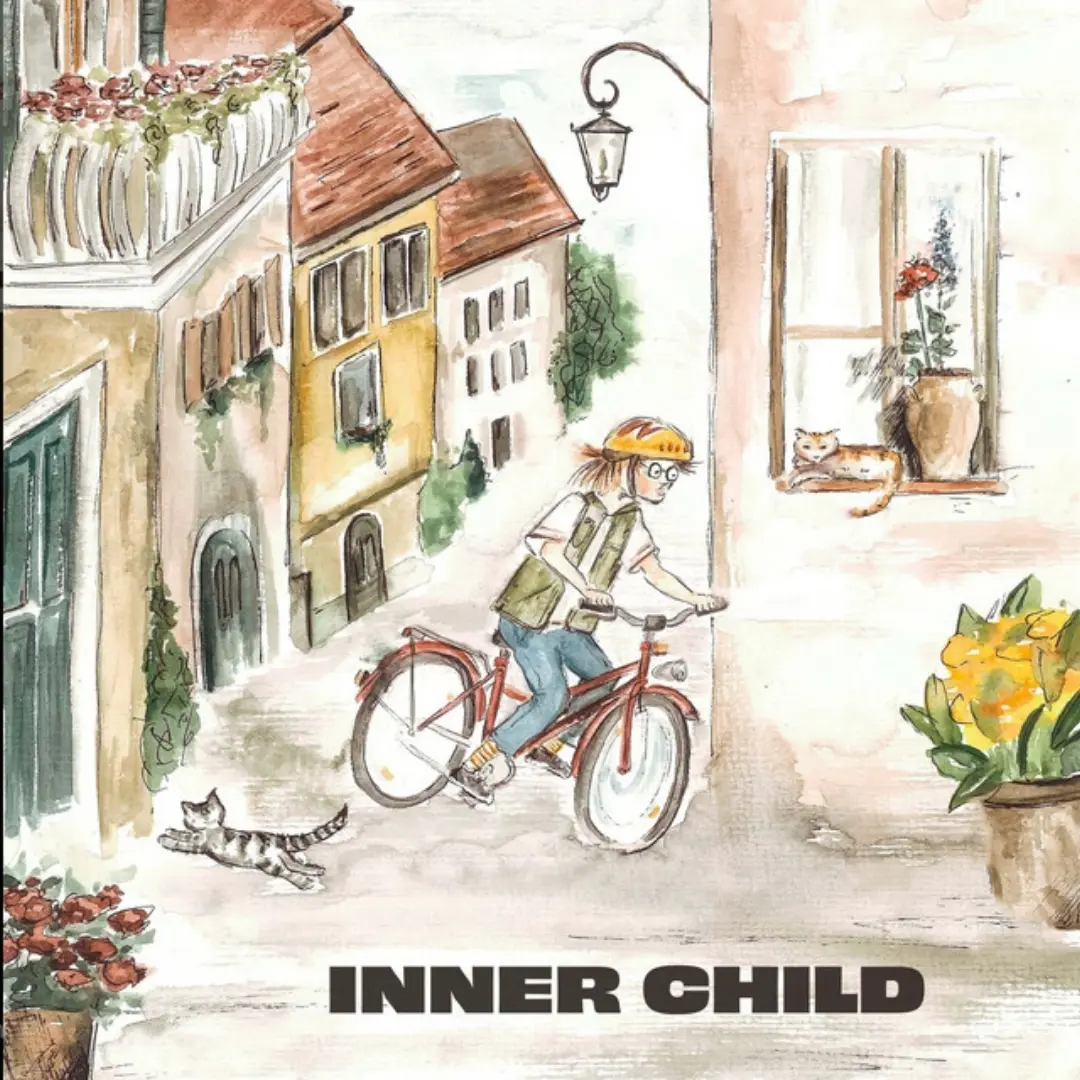
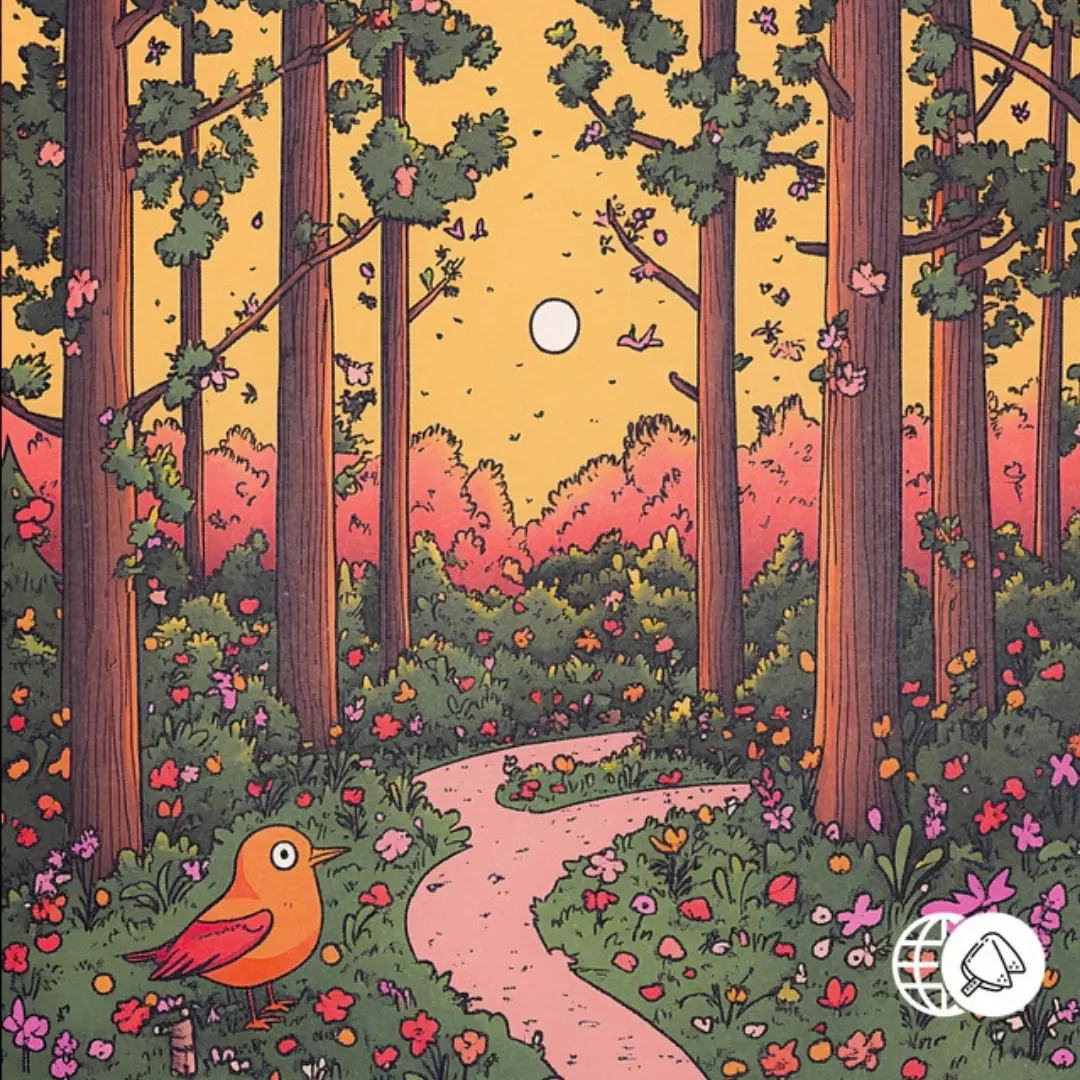
Selected Folk-Hop visuals
A small selection of cover artworks reflecting the genre’s natural, symbolic, and uplifting visual language. (Click any cover to open it on Spotify)
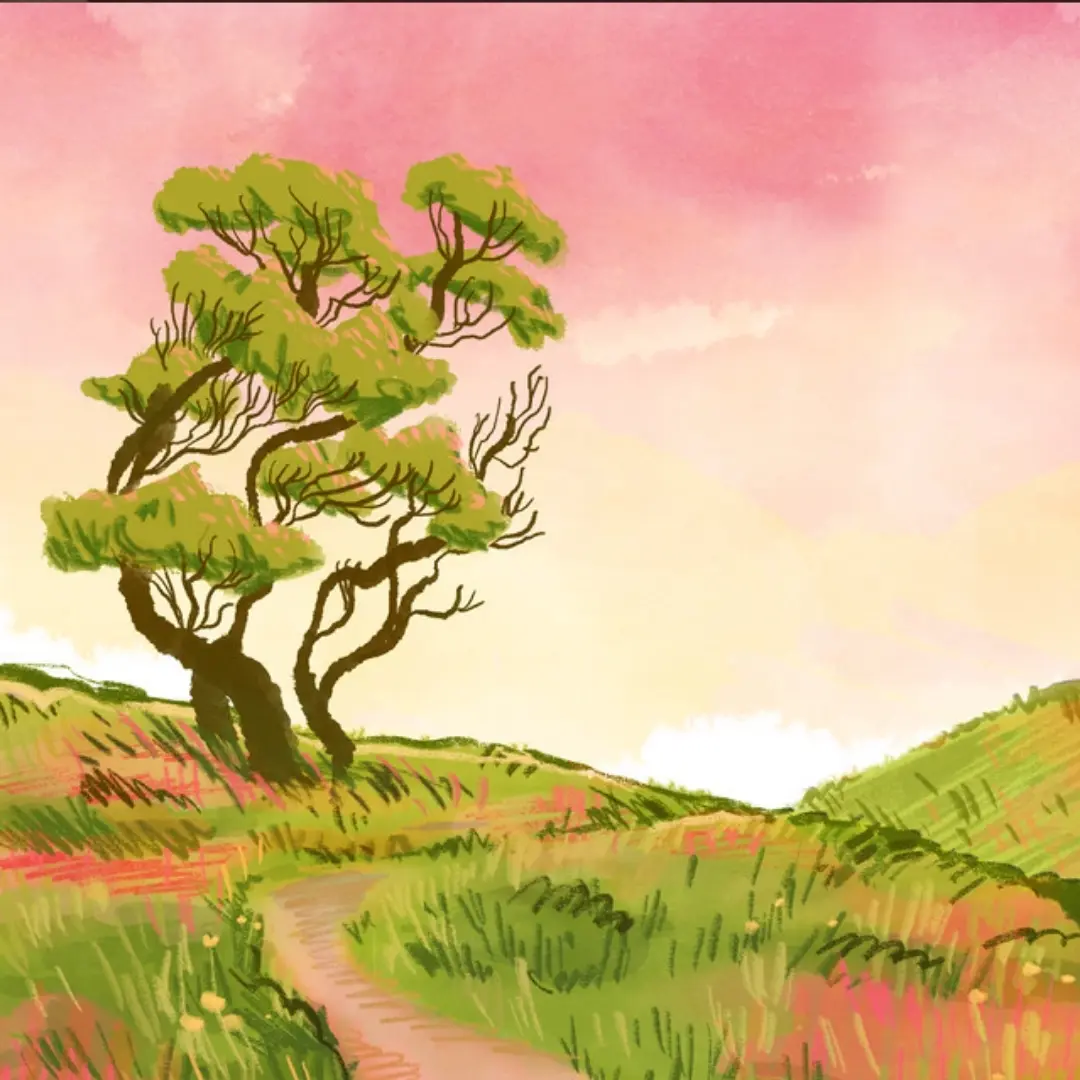
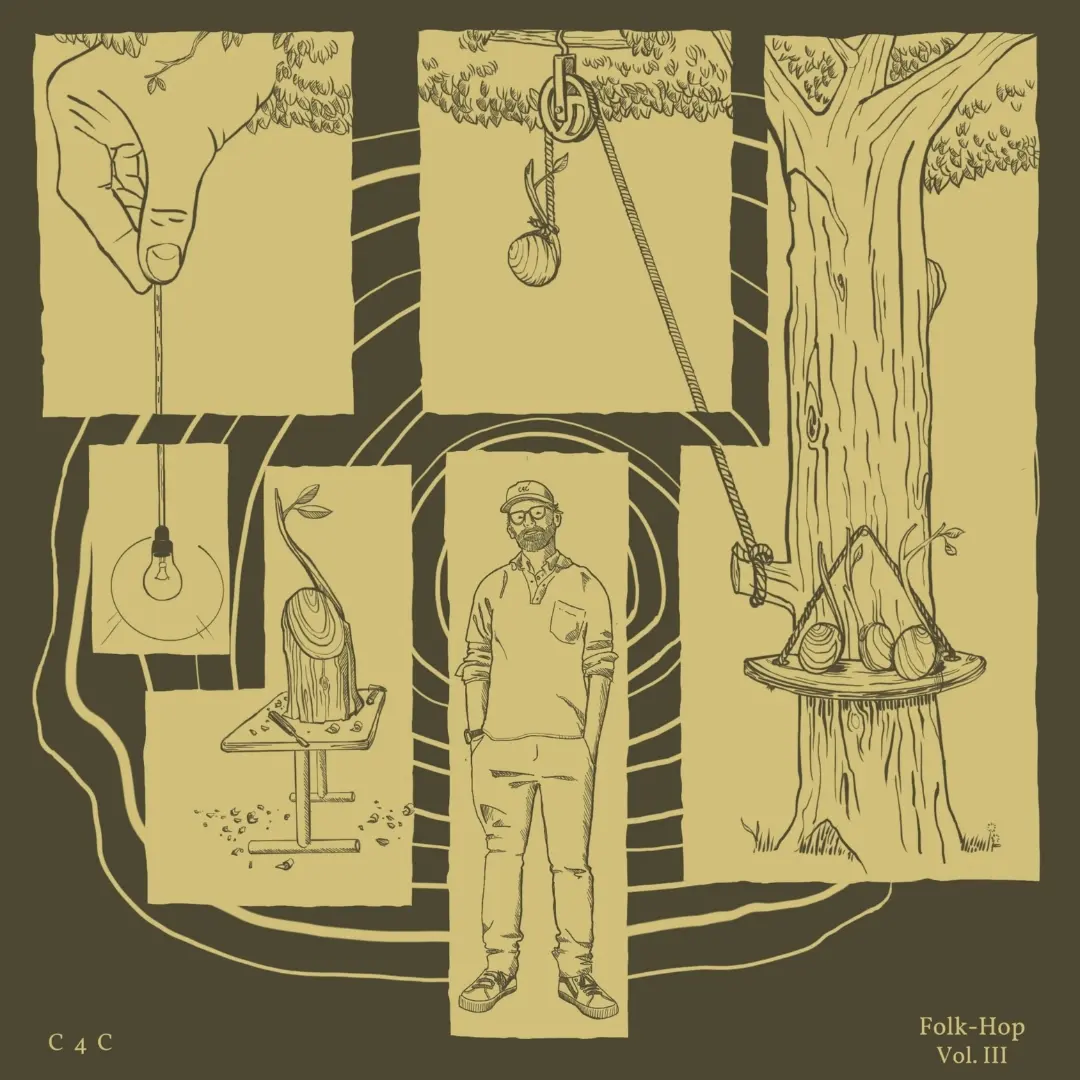
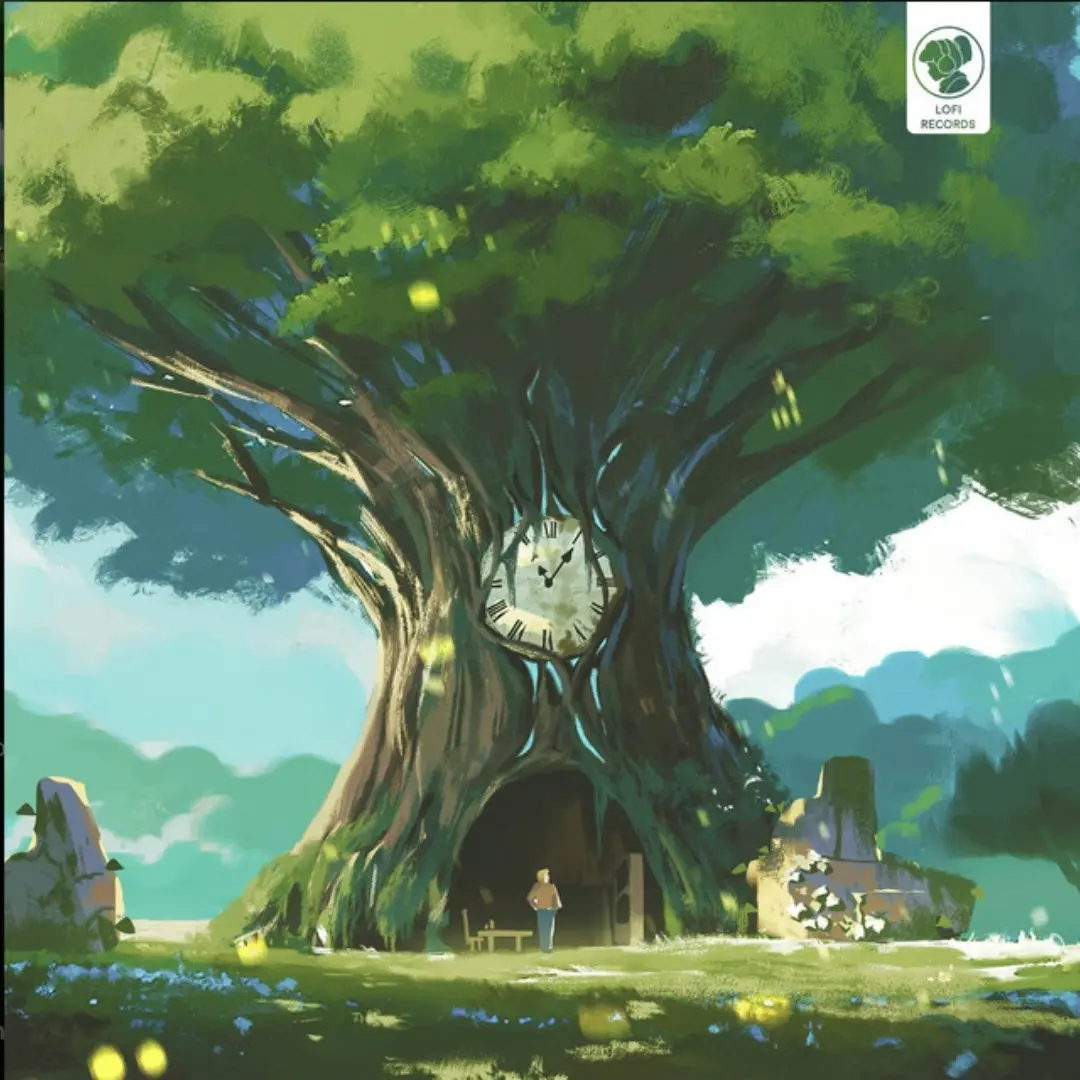
Folk-Hop is music for slow mornings, peaceful walks, quiet work, reading, chilling, and simple human moments shared with others.
Curated by Folk-Hop Radio
Listen to Folk-Hop
Listen to Folk-Hop through a curated network of playlists built to reflect the genre’s sound, mood, and growing identity.
Meet the Folkhoppers
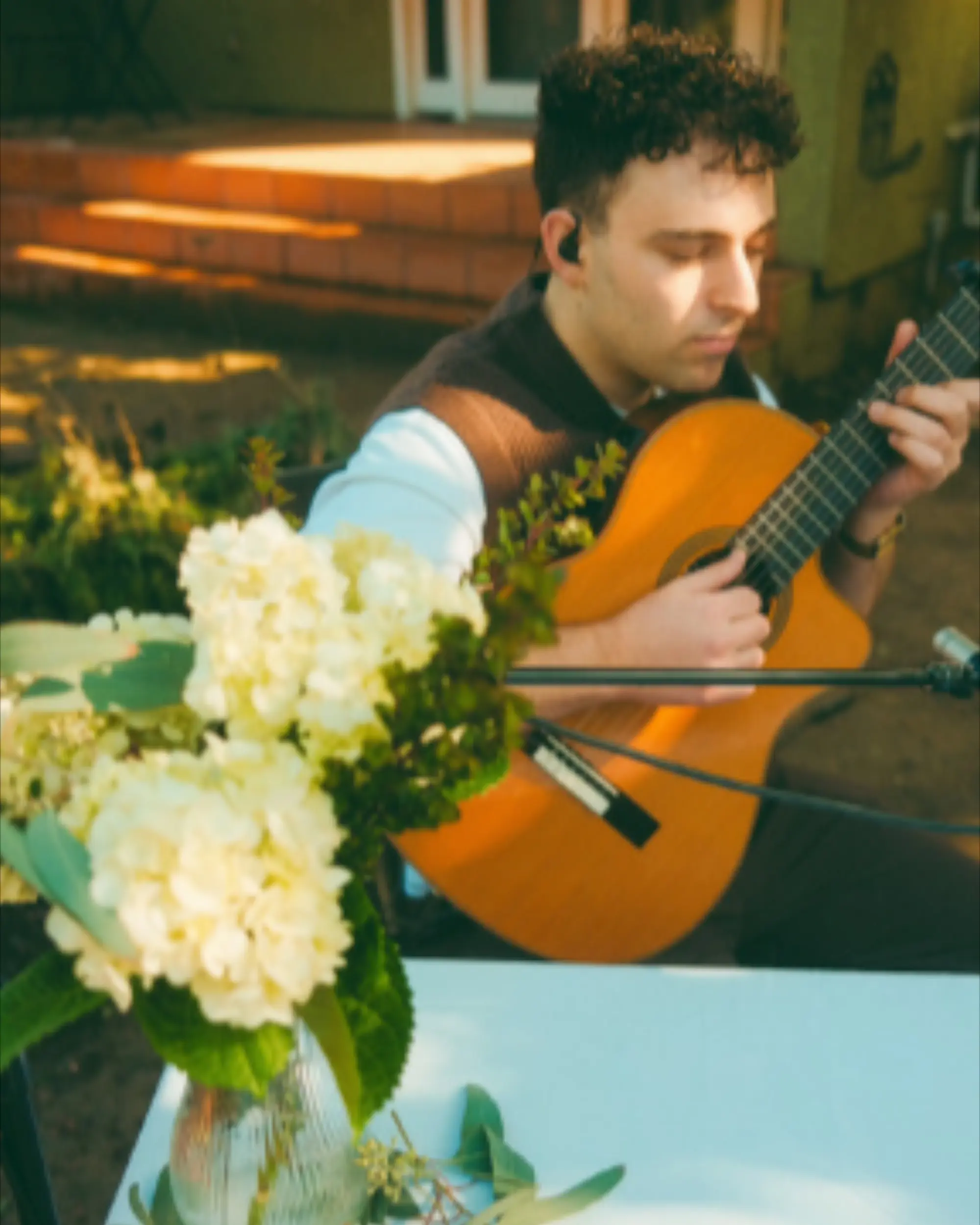
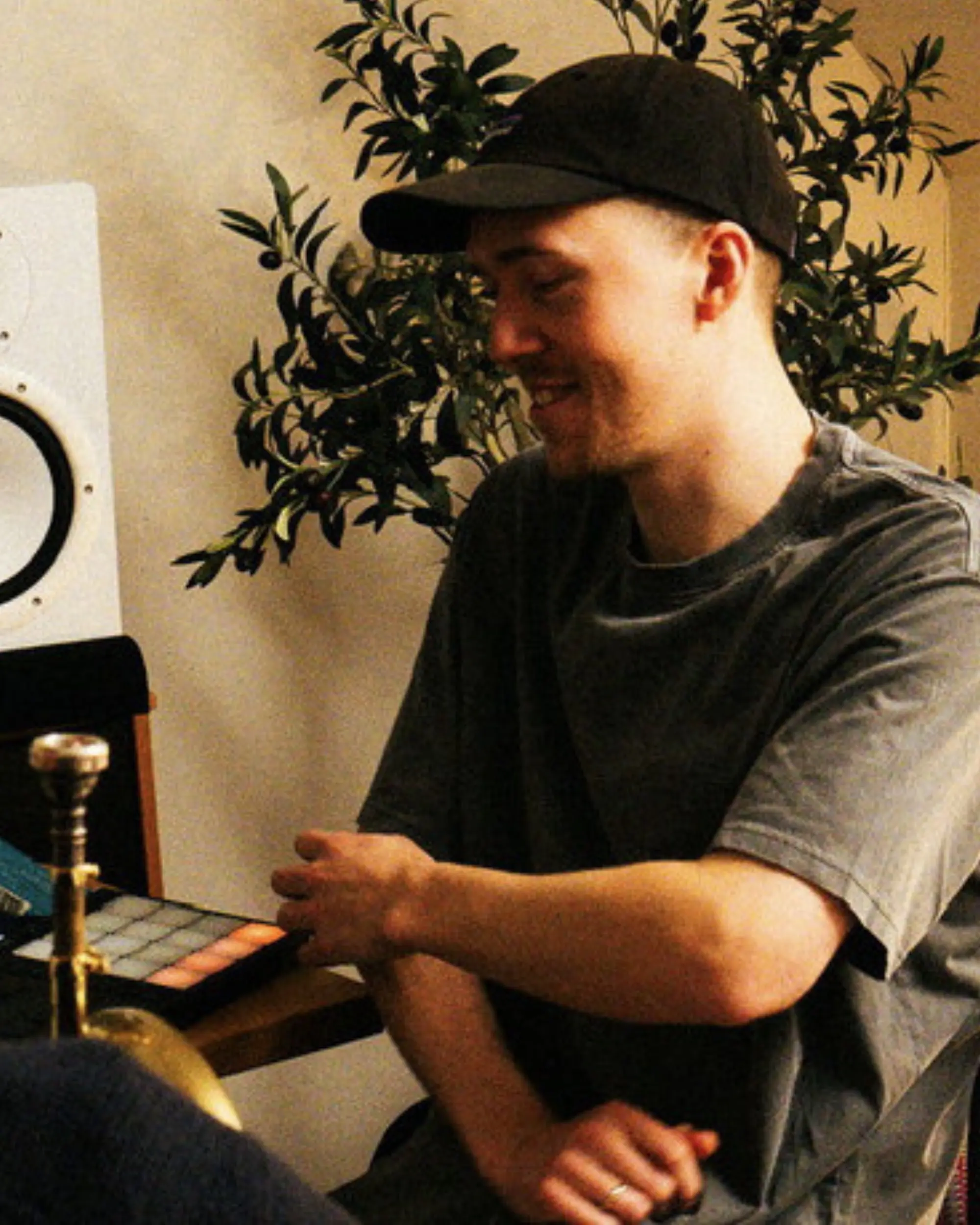
A few artists helping shape the sound, spirit, and visual world of Folk-Hop.





Why Folk-Hop Matters Today
In an era of AI-generated music and increasing sonic sameness, Folk-Hop stands for something more organic. It values feeling, imperfection, and musical touch over generic texture and emotional emptiness.
For many folkhoppers, it is not only made to be heard, but to be played. Because it grows from acoustic playing and real instrumental ability, Folk-Hop often feels closer to the hand than more synthetic forms of background music.
It also carries part of the deeper inheritance of folk, country, and gospel culture: simplicity, compassion, humility, care for others, and the kind of hope found in the Bible, which the world still deeply needs.
Origins
How Folk-Hop Took Shape
A little history about Folk-Hop.
Before 2017
The background
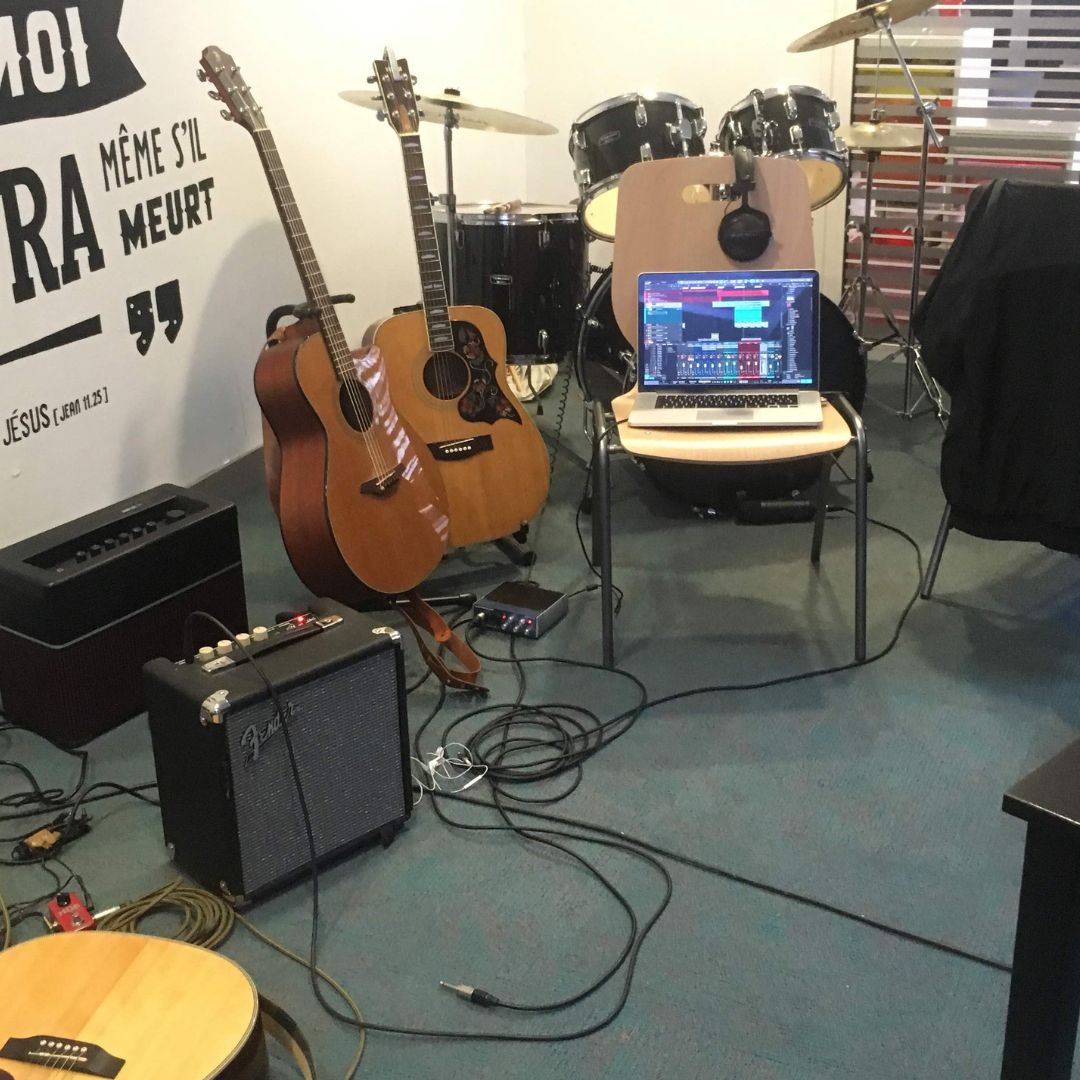
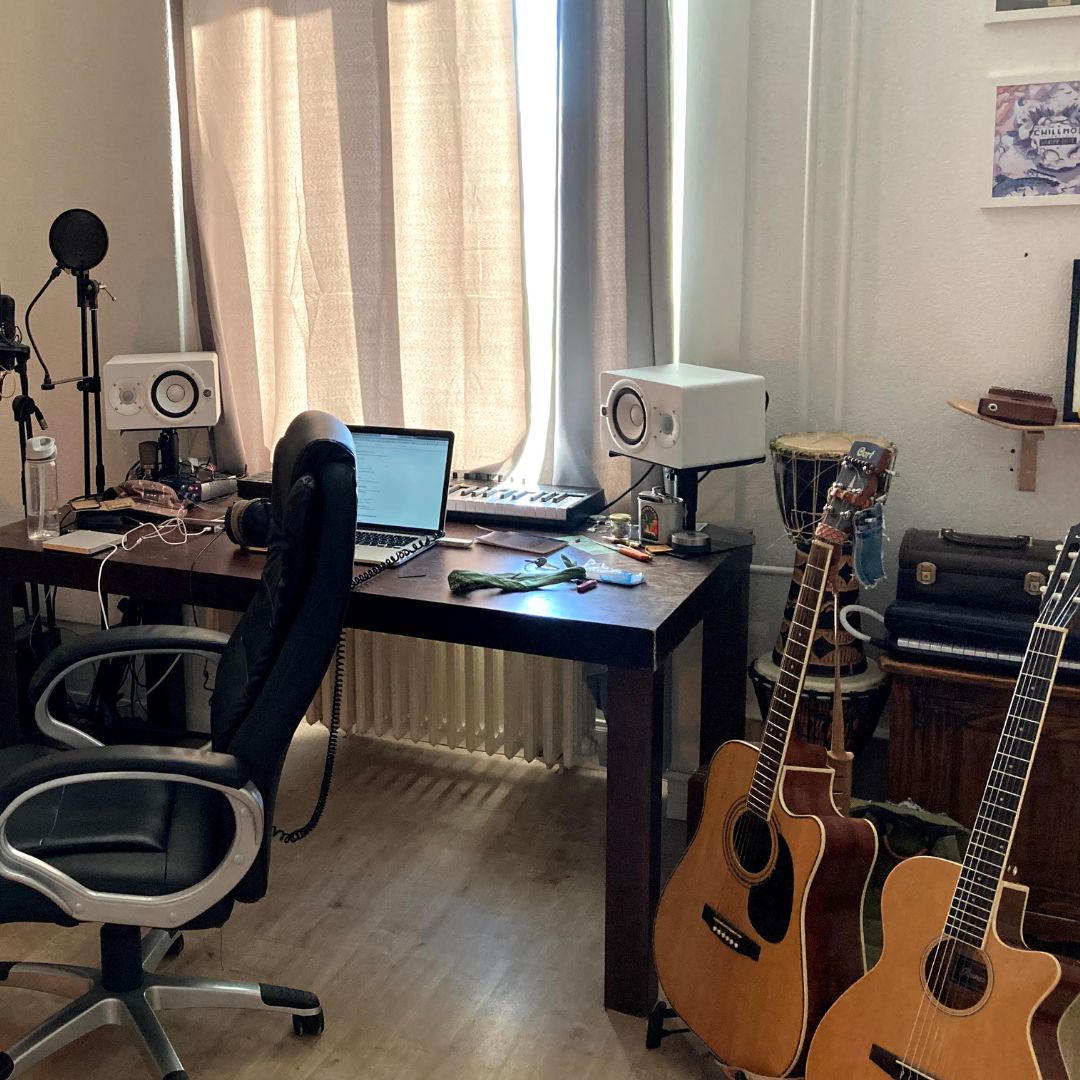
It all started in my teenage bedroom in France, where I discovered Bob Dylan, fell in love with folk music, and at the same time was selling old hip-hop beats to friends at school.
2017 to 2019
The experimentation phase
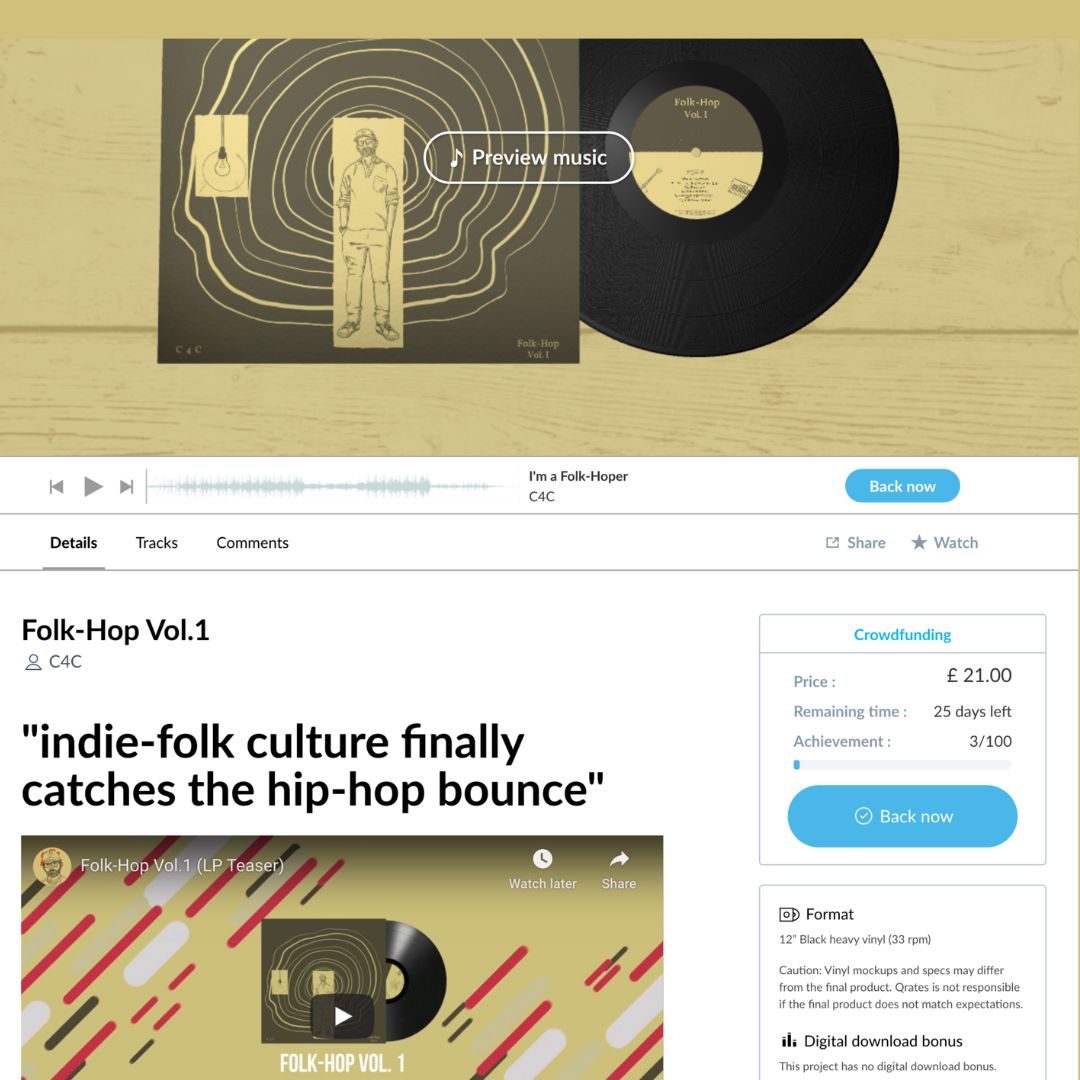
In 2017, I started incorporating my newfound skills on folk instruments like the guitar, ukulele, and harmonica into my boom bap instrumentals.
One early example was Happy Folky. Back then, I even used the phrase “Chill Folky Lofi Hop”, which the real ones may remember.
June 2020
The first Folk-Hop album
In the lo-fi hip-hop scene, the softer “chill” sound was often connected to jazz, blues, and hip-hop, but rarely to folk culture.
Released independently on June 10, 2020, Folk-Hop Vol. 1 was my first attempt to give that missing branch a clear name, sound, and identity through acoustic instruments, folk-inspired melodies, and that lo-fi rhythm.
May 2025
Folk-Hop Radio and the expansion
In May 2025, I founded Folk-Hop Radio to support fellow folkhoppers and give the genre more visibility.
It also opened the door to a broader world of branches like Upbeat Folk-Hop, Sleepy Folk-Hop, and Vocal Folk-Hop.
With the disruptive rise of AI in music and a renewed passion for organic music, more and more people around the world are joining the movement.
Frequently Asked Questions
What is Folk-Hop?
Folk-Hop is an emerging style that blends the rhythm and softness of lo-fi hip-hop with the warmth, melody, and texture of folk music.
What's the difference between Folk-Hop and Folkhop?
Folk-Hop and Folkhop are not the same thing. Folkhop, often written as one word, is an existing genre connected to Punjabi folk music, post-bhangra, urban-desi culture, hip-hop production, DJs, dhol rhythms, and traditional instruments such as the tumbi.
Folk-Hop, with a hyphen, refers here to a different emerging sub-style: acoustic lo-fi hip-hop shaped by folk-inspired melodies, organic instruments, soft beats, nature imagery, and warm human-made recordings.
In simple terms, Folkhop comes from a Punjabi / urban-desi meeting point between folk and hip-hop, while Folk-Hop describes the quieter instrumental side of lo-fi where folk textures, acoustic sound, and earthy moods meet beat-making.
Is Folk-Hop a real genre?
It is best understood as a real emerging sub-style: recognizable in sound, visuals, mood, and the growing body of music shaped around it.
How is Folk-Hop different from lo-fi hip-hop?
Folk-Hop comes out of the wider lo-fi world, but leans more toward acoustic instruments, folk harmony, organic recordings, and a more earthy emotional palette.
Why is nature so present in Folk-Hop?
Because the visual world reflects the music itself: grounded, warm, organic, and shaped by living texture. Forests, rivers, cabins, fields, and mountains naturally fit that tone.
Who are the Folkhoppers?
Folkhoppers are the artists, producers, curators, and listeners who feel connected to this organic side of lo-fi music. Some help shape the sound through acoustic instruments, folk-inspired melodies, and warm human-made recordings; others carry it forward by listening, sharing, and supporting the music.
C4C helped name and shape the term through early releases and the creation of Folk-Hop Radio, but Folk-Hop belongs to the wider community of Folkhoppers who give the sound a life beyond one artist.